Does Roof Color Matter? Breaking Down Aesthetics, Heat Absorption, and Curb Appeal
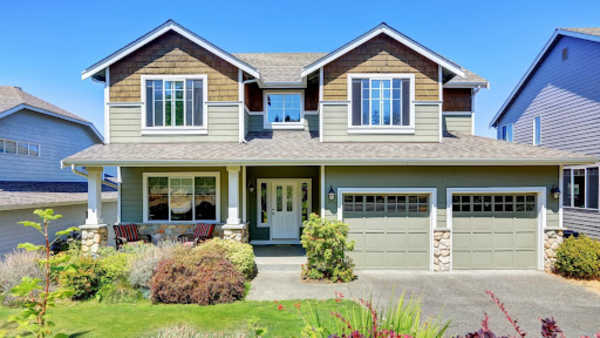
Local roofers are often asked whether roof color actually makes a difference beyond appearance alone. In reality, the color of a roofing system can influence heat absorption, architectural balance, curb appeal, and even the way a home is perceived from the street. Since the roof occupies such a large portion of the exterior, the right color choice becomes part of both the home’s long-term performance and its overall visual character.
Roofsimple provides roof replacement, inspections, and shingle installation services throughout the Chevy Chase, MD, with an emphasis on long-term durability and informed material selection. We help homeowners evaluate roofing systems based on ventilation, architectural style, and performance expectations. To contact a member of our team, call (540) 692-3808 today!
Below, we discuss the significance of choosing a roof color:
1. Roof Color Influences How Heat Is Absorbed and Retained
During the summer, roof surfaces can reach temperatures significantly higher than the surrounding outdoor air. Darker shingles generally absorb and retain more solar heat throughout the day, which may increase attic temperatures and place additional strain on cooling systems if ventilation is insufficient. Lighter roofing colors reflect more sunlight instead of holding it, making them a common recommendation in warmer climates where heat reduction becomes a priority.
Regional climate matters when evaluating those differences. Homes throughout the DMV experience both humid summers and colder winters, so the “best” roof color often depends on insulation quality, attic ventilation, sun exposure, and the overall efficiency of the home itself rather than color alone. Roofing performance is rarely determined by a single factor in isolation.
2. Roof Color Changes How the Architecture Is Perceived
A roof occupies a substantial portion of the home’s visible exterior, which gives its color unusual influence over the way the architecture is interpreted visually. High-contrast roofing can sharpen rooflines and create stronger visual definition, while softer tones tend to blend more gradually into the rest of the exterior palette. Even the perceived proportions of the home may shift depending on how dominant or subdued the roof appears from the street.
Some homes benefit from dramatic contrast; others lose architectural balance when the roof becomes visually overpowering. Brick texture, trim color, window spacing, and exterior depth all affect how roofing color interacts with the structure overall. Successful selections usually feel integrated into the architecture rather than layered on top of it afterward.
3. Roof Color Affects Long-Term Curb Appeal
Buyer perception often forms before someone reaches the front entry. A roof that feels faded, visually disconnected, or overly trend-driven can influence how well-maintained the property appears regardless of the condition of the interior itself. Because roofing covers such a large visual area, its color naturally shapes the first impression of the home more aggressively than many homeowners initially expect.
Long-term curb appeal tends to favor consistency over novelty. Neutral roofing palettes generally adapt more effectively to changing exterior paint colors, landscaping updates, and future renovations without forcing additional redesign decisions later. Exterior cohesion usually creates stronger resale perception than selecting a color simply because it feels visually bold at the moment.
4. Surrounding Exterior Materials Should Influence Roof Selection
Choosing a roof color without evaluating the rest of the property often creates visual imbalance unintentionally. Stone veneer, brick undertones, siding texture, trim contrast, and even surrounding landscape colors all influence how roofing materials appear once installed in natural light. A shingle sample viewed independently may look entirely different once positioned against permanent exterior materials already attached to the home.
Exterior design works through relationships between surfaces rather than isolated product choices. Warm-toned brick may conflict with cooler gray shingles, while heavily textured stone often requires more restrained roofing colors to prevent visual competition across the facade. Strong roofing decisions usually emerge from the broader exterior composition rather than from the shingle color itself.
5. Roofing Material and Shingle Type Affect Color Performance
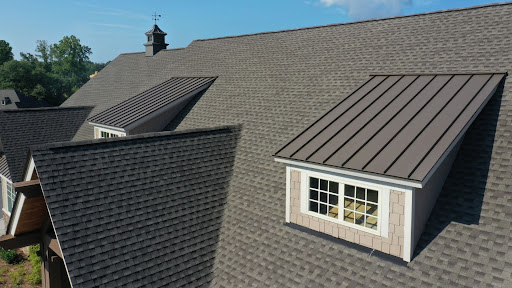
Not all roofing materials display color the same way over time. Architectural shingles create shadow variation and dimensional texture that can make the same color appear dramatically different depending on lighting conditions, roof pitch, and viewing angle. Material composition also affects how consistently the roof resists fading after years of UV exposure and seasonal weather cycles.
Many experienced roof shingle companies focus as heavily on product behavior as they do on initial appearance because granule quality and material durability influence how stable the color remains long term. Some shingles soften visually with age, while others maintain sharper contrast and saturation for much longer periods. Color selection becomes more reliable when evaluated alongside product performance rather than appearance alone.
Chevy Chase, MD, Homeowners Can Turn to Roofsimple’s Local Roofers
Roof color influences energy performance, curb appeal, and architectural balance far beyond simple aesthetics. Roofsimple’s team of local roofers in Chevy Chase, MD, helps you evaluate roofing systems through material durability, ventilation considerations, and exterior design compatibility rather than relying solely on trend-based color selection. To contact a member of our team, call (540) 692-3808 today!