How Roof Leaks Can Affect Attics, Ceilings, and Interior Spaces
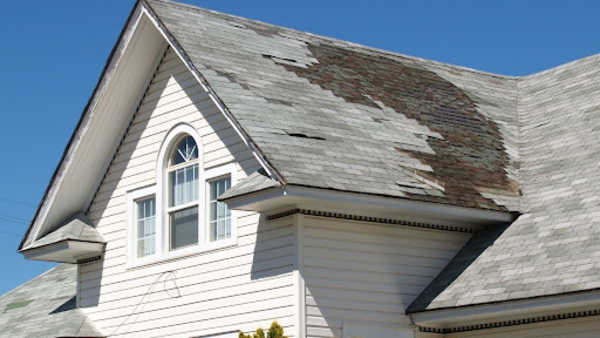
Roof leak repair becomes urgent fast once water starts moving through a house rather than staying contained on the roof deck. A leak that begins as a cracked shingle or a failed flashing seal rarely stops there. Within a day or two, moisture can travel into attic insulation, stain ceiling drywall, and rot the surrounding wood. Once water reaches these areas, even a small roof leak can lead to costly damage inside the home.
Roofsimple provides residential roofing services in Cross Junction, VA, that help homeowners identify and repair damage caused by storms, aging materials, and everyday wear. Their team offers dependable roof inspections, repairs, and replacement services to protect properties with quality materials and solutions tailored to each home’s needs. To schedule an inspection, call (540) 692-3808 today.
Below, we discuss how roof leaks can damage various parts of its home:
What Causes Roof Leaks?
Most roof leaks trace back to a handful of recurring problems:
- Damaged flashing: Flashing is the material that seals areas where the roof meets another structure, such as around chimneys or vents. If it cracks or comes loose, water can get under the roof.
- Worn or missing shingles: Shingles that have curled, cracked, or blown off after a storm can leave the roof vulnerable to leaks.
- Clogged gutters: Backed-up gutters can force water beneath the shingles or under the roofline.
- Aging underlayment: Underlayment that has passed the 15–to-20-year mark may no longer seal properly.
Most homeowners cannot spot these issues from the ground, however, only emphasizing the importance of professional intervention. Left unaddressed, any one of these can turn a roof repair into a full roof replacement.
Where Do Roof Leaks Usually Start?
Leaks almost always start at a roof penetration or seam rather than where the stain eventually appears. Roof penetrations, the places where chimneys, vents, and skylights pass through the roof deck, are more likely to develop problems than the open shingle field because each one relies on a flashing seal instead of a continuous surface.
Once that seal cracks or lifts, water follows the path of least resistance. It can travel several feet along a rafter before dripping down into the attic, hence why you shouldn’t wait to have roof repairs completed.
How Does Water Reach the Attic Once It Gets Past the Roof?
Water that slips past a failed flashing seal or a gap in the underlayment lands directly on the attic floor or insulation. Fiberglass batts and blown-in insulation both absorb moisture quickly, losing much of their ability to hold back heat while making it harder to regulate indoor temperature. As the insulation stays wet, mold can begin forming on nearby framing within 24 to 48 hours, long before a ceiling stain gives any outward sign of trouble.
What Happens to Ceilings and Walls After Water Spreads?
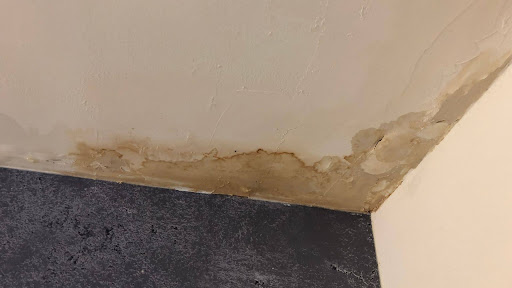
Once water soaks through attic insulation, it typically finds its way to the drywall below within a matter of days. A yellow-brown stain is usually the first sign, followed by bubbling paint and, if the leak continues, a soft or sagging section of ceiling that signals saturated drywall.
At this point,leaking roof repair is necessary to prevent the damage from spreading further, since residential roof leaks left unaddressed at this stage often spread sideways through the material long after the original leak point.
Schedule Roof Leak Repair in Cross Junction, VA Before Damage Spreads Further
The sooner a leak is addressed, the less it costs to repair the ceiling, insulation, and framing underneath it. Roofsimple provides thorough roof leak repair in Cross Junction, VA, along with residential roof inspections, repairs, and solutions for both cosmetic and functional damage. Their team can identify the source of a leak and address the problem before it becomes more extensive. To schedule an inspection, call (540) 692-3808!